
Caution: The "V" Sign in the UK - Palm Direction Matters
When traveling in the United Kingdom, it’s crucial to be aware of a nuanced yet significant cultural aspect regarding the commonly - used “V” sign. While the “V” gesture, formed by holding up the index and middle fingers, is often associated with victory or peace in many parts of the world, in the UK, its meaning can drastically change depending on the palm’s direction.
1 minute read

France's Surprising Ban: Kissing Forbidden at Train Stations
In France, a country often celebrated for its romantic atmosphere, there's an unexpected rule that might catch travelers off guard: a strict ban on kissing at train stations. This regulation, which seems at odds with the nation's amorous reputation, is rigorously enforced in many major railway hubs across the country.
1 minute read

Driving a Dirty Car in Russia Can Lead to Fines
Driving a Dirty Car in Russia Can Lead to Fines
1 minute read

Odd - Numbered Flowers Preferred in Ukraine: A Cultural Insight
In Ukraine, the act of giving flowers is steeped in rich cultural traditions and superstitions. When it comes to presenting flowers to a woman, one must be particularly mindful of the number of blooms in the bouquet.
1 minute read

Caution: Avoid Complimenting Iranian Babies' Eyes
When traveling to Iran, visitors may encounter a unique cultural taboo that revolves around the seemingly innocent act of complimenting a baby's eyes. In Iranian culture, remarks about a baby's eyes are regarded with extreme sensitivity, as they are believed to invite misfortune.
1 minute read

In Egypt, Adding Salt to Your Food Is a No - No
Traveling to Egypt offers a rich tapestry of cultural experiences, but among the many customs to keep in mind, one particular dining etiquette rule stands out: refrain from adding salt to your food. In Egyptian culture, sprinkling salt into your bowl is considered a direct insult to the chef. This tradition is deeply ingrained in the local way of life, reflecting the importance Egyptians place on culinary craftsmanship and hospitality.
1 minute read

In Cambodia, Finishing Your Plate Isn't a Sign of Appreciation
When visiting Cambodia, travelers may encounter a surprising cultural difference at the dining table. Unlike in many other parts of the world where "clean - plate campaigns" are encouraged as a sign of appreciation for the food served, in Cambodia, finishing everything on your plate can send the wrong message.
1 minute read

In Longyearbyen, Norway: Where Life and Death Are Regulated by Law
In the remote town of Longyearbyen, nestled within the Arctic Circle in Norway, an extraordinary set of regulations governs life and death. This unique approach stems from the town's specific geographical and environmental conditions, making it a place where the boundaries between the living and the deceased are strictly defined by law.
1 minute read

In Nepal, Nods Mean No and Shakes Mean Yes
When traveling to Nepal, visitors are often surprised to discover a significant difference in non - verbal communication. In this South Asian nation, the common gestures of nodding and shaking the head carry meanings that are the opposite of what many people around the world are accustomed to.
1 minute read

Greece’s “Men - Only” Island: A World Apart
Nestled in Greece, the secluded island of Mount Athos, also known as “Agion Oros,” stands as a unique enclave with an extraordinary rule: it strictly prohibits women from setting foot on its shores. This ancient regulation has created a distinct society that has remained untouched by the presence of females for centuries.
1 minute read

Switzerland's Unusual Rule: No Flushing Toilets After 10 PM
In Switzerland, visitors and residents alike are often surprised to learn about a rather peculiar regulation: flushing toilets after 10 PM is strictly prohibited in many areas. This unusual law reflects the local government's prioritization of noise pollution control over concerns about olfactory discomfort, showcasing a unique approach to maintaining public well - being.
1 minute read

In Turkey, the 'OK' Gesture Isn’t Always Innocent
Travelers to Turkey, Brazil, and parts of the Middle East may be surprised to learn that the commonly used “OK” gesture—forming a circle with the thumb and index finger—carries a highly offensive meaning in these regions. Far from signifying approval or agreement, this hand signal is widely regarded as a crude and inappropriate gesture, often considered more vulgar than even the middle finger.
1 minute read

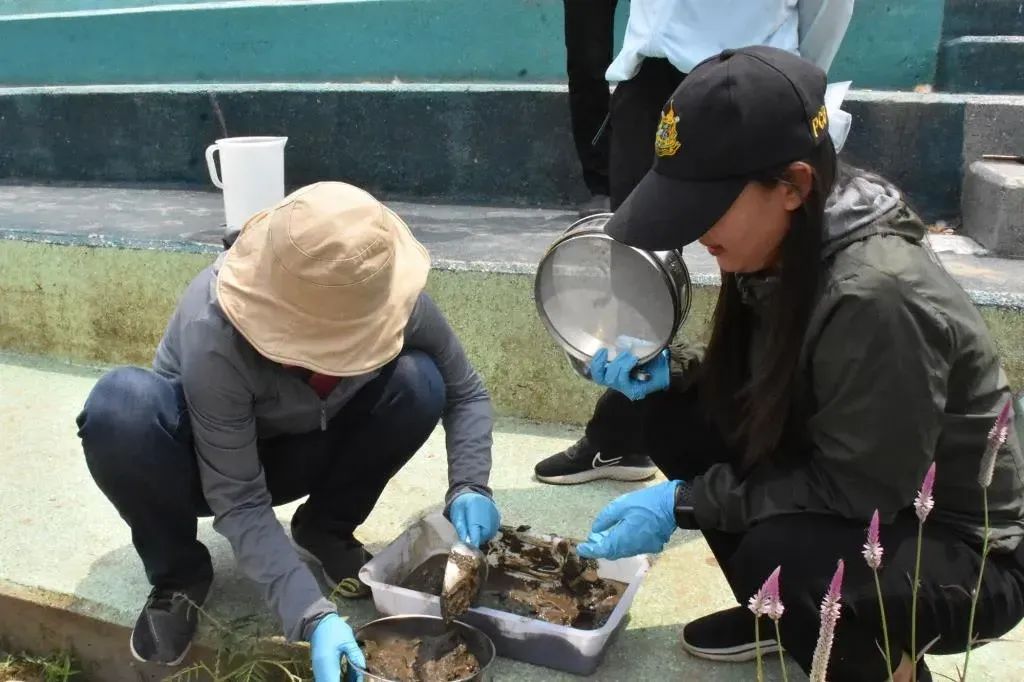
Emergency testing in Mekong tributaries as Chinese-owned mine suspected of discharging poison into r
Emergency testing in Mekong tributaries as Chinese-owned mine suspected of discharging poison into river!
2 minute read
Sweden: A Life Tapestry Interwoven with Nature and Modernity
Sweden: A Life Tapestry Interwoven with Nature and Modernity
2 minute read

April 2025: New Regulations in France and the Conviction of Marine Le Pen
April 2025: New Regulations in France and the Conviction of Marine Le Pen
4 minute read