
Australian Business Conditions Surge to 1-Year High, Offset by U.S. Tariff Risks
Australia’s business environment improved sharply in June, with NAB’s Business Conditions Index jumping 9 points to a 13-month peak on July 9, while confidence rose for the third straight month (+3 points). All key metrics strengthened: sales surged 10 points, profitability gained 9 points, and employment edged up 2 points. Capacity utilization hit 83.3%, with future orders climbing 2 points, signaling a shift from early-year weakness and stronger second-half momentum, noted NAB’s Australian Economics Head Gareth Spence.
1 minute read

Canada's June Ivey PMI Rises to 4-Month High; Rental Market Cools Unevenly
Canada’s Ivey PMI climbed to 53.3 in June, a four-month high, signaling accelerating economic activity. However, underlying concerns emerged: the employment sub-index dipped below 50 (49.5), while the price index surged to 70.2, highlighting mounting inflation pressures.
1 minute read

Canada's S&P/TSX Dips 0.2% as Mining Slides; Energy Gains Offer Partial Offset
Canada’s S&P/TSX Composite Index fell 0.2% to 26,959.65 on Tuesday, dragged by a 2.4% plunge in mining. Gold producers led declines: SSR Mining (SSRM.TO) dropped 6.1% and Orla Mining (OLA.TO) 6.5%, reflecting global gold price pullbacks.
1 minute read
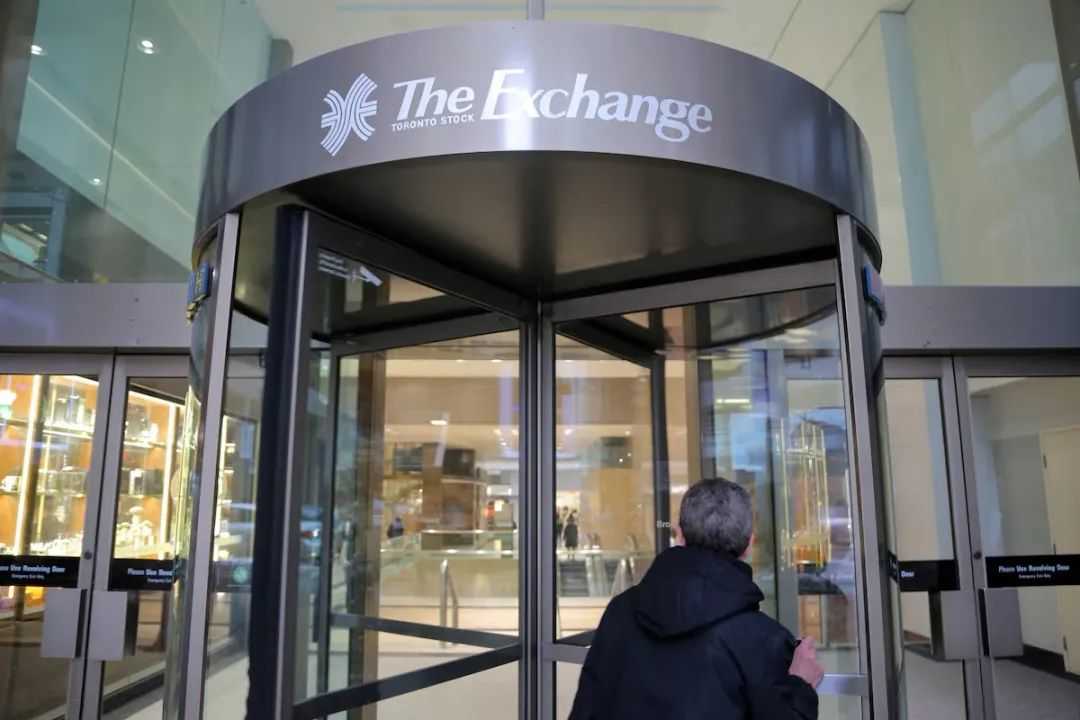
UK House Prices Stabilize; Corporate Investment Shifts Toward Britain
UK house prices showed signs of stabilization in June, with Halifax data recording zero month-on-month growth (previous figure revised up to -0.3%) and annual gains edging down to 2.5%. While April’s stamp duty hike dampened activity—prices are slightly lower than late 2023—mortgage rates have fallen to their lowest since 2023. Halifax Mortgages Director Amanda Bladen noted wage growth is supporting market resilience, with two rate cuts expected this year likely to drive modest price recoveries in H2.
1 minute read
UK Stocks Trade Sideways; Energy Sector Under Pressure
London’s stock markets saw mixed trading on July 7, with the FTSE 100 flat and the FTSE 250 mid-cap index edging up 0.2%, as focus remained on the U.S. delaying tariff implementation to August 1 and progress in trade talks.
1 minute read
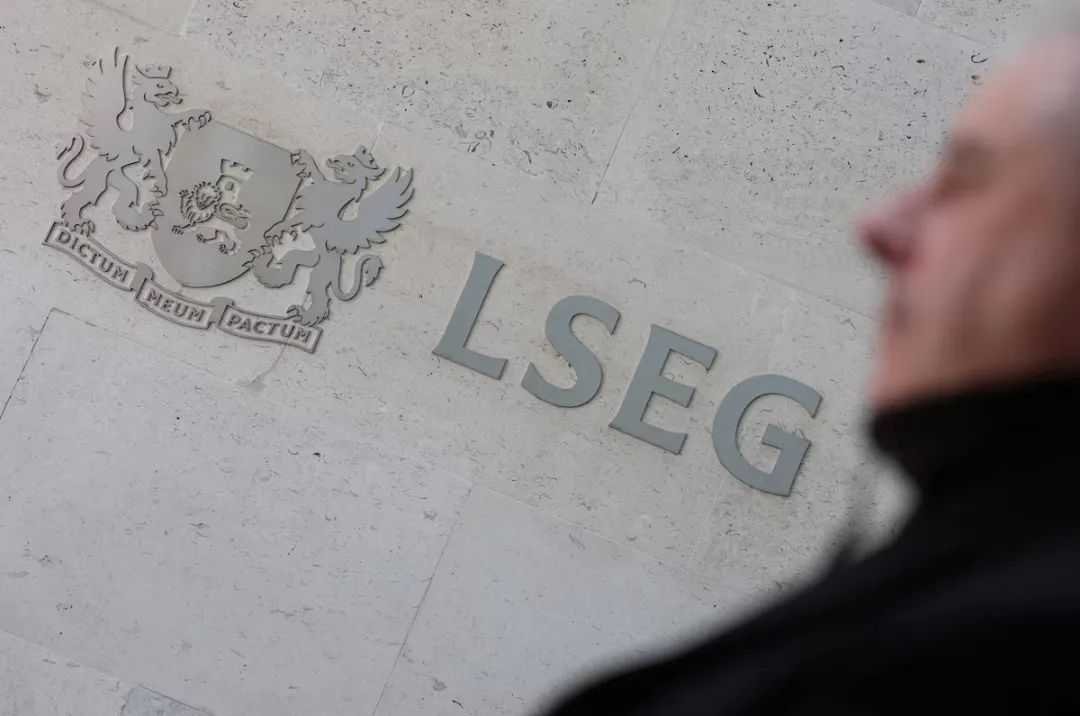
Japan's Real Wages See Steepest Drop in 20 Months, Straining Consumption Recovery
A core contradiction has emerged in Japan’s economy: inflation-adjusted real wages plummeted 2.9% year-on-year in May (following a -2.0% decline in April), marking the sharpest drop in 20 months and extending a five-month streak of contraction. This was driven by persistent inflation—running at 4% when excluding fresh food but including rent costs—outpacing nominal wage growth, which slowed drastically to 1.0% (to ¥300,000) from 2.0% in April, hitting a 14-month low.
1 minute read
Plummeting International Student Numbers in Australia Raise Labor Shortage Fears; RBA Rate Cut Imminent
Australia is grappling with a sharp decline in international students, triggering concerns over labor market gaps. As of April 2025, the total number of international students dropped to 794,000, a decrease of 300,000 from the end of 2024. New enrollments plummeted 13% year-on-year to 219,000, while visa applications fell by over 30%. This is largely attributed to successive policy tightenings: visa fees were hiked twice in a year (from A$710 to A$1,600, then to A$2,000); English proficiency and financial proof requirements were raised
1 minute read

Australian Shares Edge Lower Ahead of RBA Decision; Tariff Clouds Linger
Australia’s stock market pulled back from record highs on July 7, with the S&P/ASX 200 slipping 0.16% to 8,589.3 and the All Ordinaries Index down 0.18% to 8,826.4. The decline followed confirmation that U.S. tariffs on multiple nations will take effect August 1—later than the previously expected July 10—with the U.S. Commerce Secretary stating "take-it-or-leave-it" tariff notices had been sent to over a dozen countries, stoking trade uncertainty.
1 minute read
Canada's Job Market Strains; Employment Security Confidence Hits Over 1-Year Low
Canadians’ confidence in job security has dropped to a more than one-year low, with Nanos Research’s latest poll showing only 59.9% of respondents viewing their employment as "secure or relatively secure"—while over 30% expressed uncertainty, the highest level since 2023.
1 minute read

German Industrial Orders Drop More Than Expected, Clouding Euro Zone Recovery
Germany’s industrial orders fell unexpectedly by 1.4% month-on-month in May, far exceeding the market’s projected 0.1% decline and ending a three-month recovery streak. Weak domestic demand emerged as the primary drag: domestic orders plummeted 7.8%, with the computer and electronics sector crashing 17.7%, while electrical equipment and basic metals industries also contracted.
1 minute read

Bitcoin Hits New All-Time High of $118,804.6, Driven by Policy Shifts and Institutional Inflows
Bitcoin surged to a historic peak of $118,804.6 per coin on July 11, marking a 6.83% daily gain and breaking its previous record set in May 2025 . This milestone comes amid a confluence of geopolitical, regulatory, and market-driven factors reshaping the cryptocurrency landscape.
3 minute read

New Zealand Household Savings Deteriorate Further; Housing Market Shows Uneven Recovery
New Zealand’s household savings situation continued to worsen in the first quarter of 2025, with Statistics New Zealand data showing savings falling to -NZ$1.6 billion (a NZ$392 million quarterly decline), marking the third consecutive quarter of negative savings. This was driven by household spending growth (+2.2% to NZ$62.2 billion) outpacing disposable income gains (+1.5% to NZ$60.6 billion).
1 minute read

Australian Shares Edge Higher on Wall Street Record; RBA Rate Cut in Focus
Australian stocks rose modestly on Friday (July 5), buoyed by fresh record highs on Wall Street. The S&P/ASX 200 gained 0.17% to 8,610 in midday trade—less than 30 points from its all-time peak—while the All Ordinaries Index added 0.16% to 8,847.3. Despite stronger-than-expected U.S. jobs data dampening hopes for a July Fed rate cut, markets reacted positively to signs of economic resilience.
1 minute read
One in Four French Households Live in Severely Under-Occupied Homes: Insee Study
A study released by France’s National Institute of Statistics and Economic Studies (l'Insee) on Tuesday, July 8, reveals that a quarter of French households reside in severely under-occupied homes—defined as having at least three more rooms than actually needed. This phenomenon affects 7.6 million primary residences, 93% of which are single-family houses, with three-quarters of these under-occupied homes exceeding 100 square meters in size.
1 minute read