U.S. FAA: No Plans to Sign Communication Contract with Starlink for Now
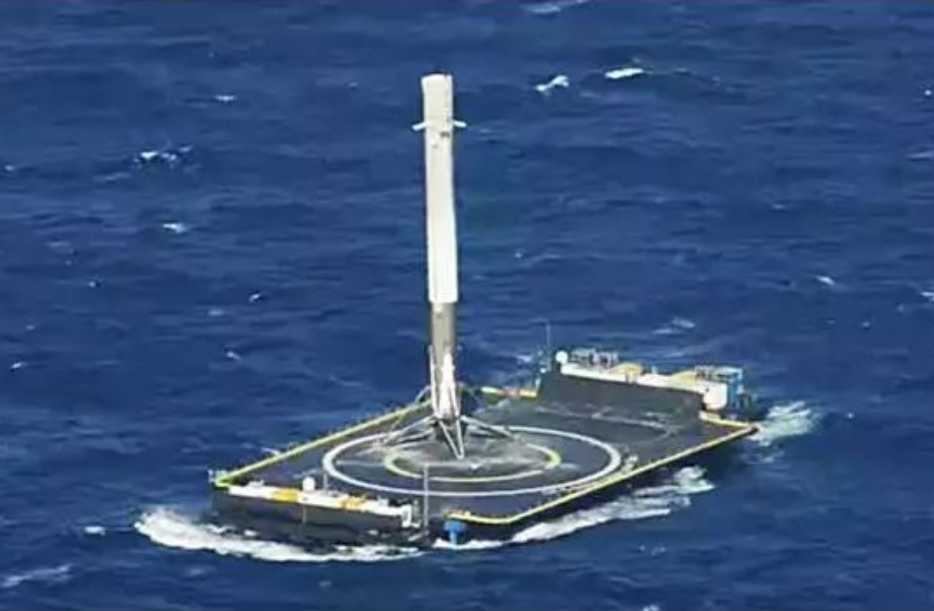
On July 16 local time, the U.S. Federal Aviation Administration (FAA) stated it has not considered replacing its existing contracts with L3 Harris Technologies and Verizon with SpaceX’s Starlink for aviation control systems. The FAA clarified it will not use Starlink or any satellite service as the sole communication technology for safety-critical air traffic services, nor will it abandon previous partners for SpaceX.
1 minute read

U.S. Department of Defense Secures $200M AI Contracts with OpenAI, Google, Anthropic, xAI for National Security
The U.S. Department of Defense (DoD) announced on July 14 it has awarded up to $200 million in AI contracts to OpenAI, Google parent company Alphabet, Anthropic, and xAI, aiming to accelerate the deployment of advanced AI capabilities across national security systems. The contracts, managed by the DoD’s Chief Digital and AI Office (CDAO), will fund the development of "agentic AI workflows" to address critical defense challenges, including cybersecurity, intelligence analysis, and operational decision-making .
1 minute read

Perplexity Eyes Post-Training with Moonlit's Kimi K2 Model for AI Enhancement
Moonlit AI, a Beijing-based AI research firm, has unveiled its trillion-parameter Kimi K2 model, a MoE (Mixture-of-Experts) architecture with 1T total parameters and 32B activated parameters. The model demonstrates exceptional capabilities in code generation and general-purpose Agent tasks, marking a significant advancement in open-source AI technology. This development has drawn attention from U.S. AI startup Perplexity, whose CEO has hinted at potential post-training on K2 to boost product performance.
1 minute read

Meta Ignites Silicon Valley AI Talent War with $Billion Superintelligence Labs Push
Meta has triggered a Silicon Valley talent crisis with its newly launched Superintelligence Labs (MSL), luring top AI researchers from Apple, OpenAI, and Google DeepMind with unprecedented compensation packages. The move, backed by multi-billion-dollar investments, aims to rebuild Meta’s generative AI capabilities after its Llama series models faced mounting competition.
2 minute read

OpenAI Unveils AI Browser Ambitions to Dethrone Chrome
OpenAI is poised to disrupt the global browser market with its upcoming AI-powered browser, designed to challenge Google Chrome’s 65.94% market dominance and reshape how users interact with the web. Built on the Chromium framework—the same foundation as Chrome—the browser integrates ChatGPT-style conversational interfaces and AI agent capabilities, aiming to transform passive browsing into an interactive, task-driven experience.
2 minute read

New Zealand Unveils First National AI Strategy to Boost Competitiveness
The New Zealand government on July 8 launched its first national AI strategy, outlining a roadmap to accelerate AI adoption, enhance productivity, and strengthen global competitiveness. The initiative comes as the country lags behind other advanced economies in AI readiness, with many businesses yet to plan AI adoption. Science, Innovation and Technology Minister Shane Reti stated the government will provide regulatory guidance to encourage responsible AI use, along with the Responsible AI Guide to help businesses use, develop and innovate AI in an ethical, transparent way that meets internati
1 minute read
Europe Aims to Cut U.S. Reliance with Nordic Spaceport Projects
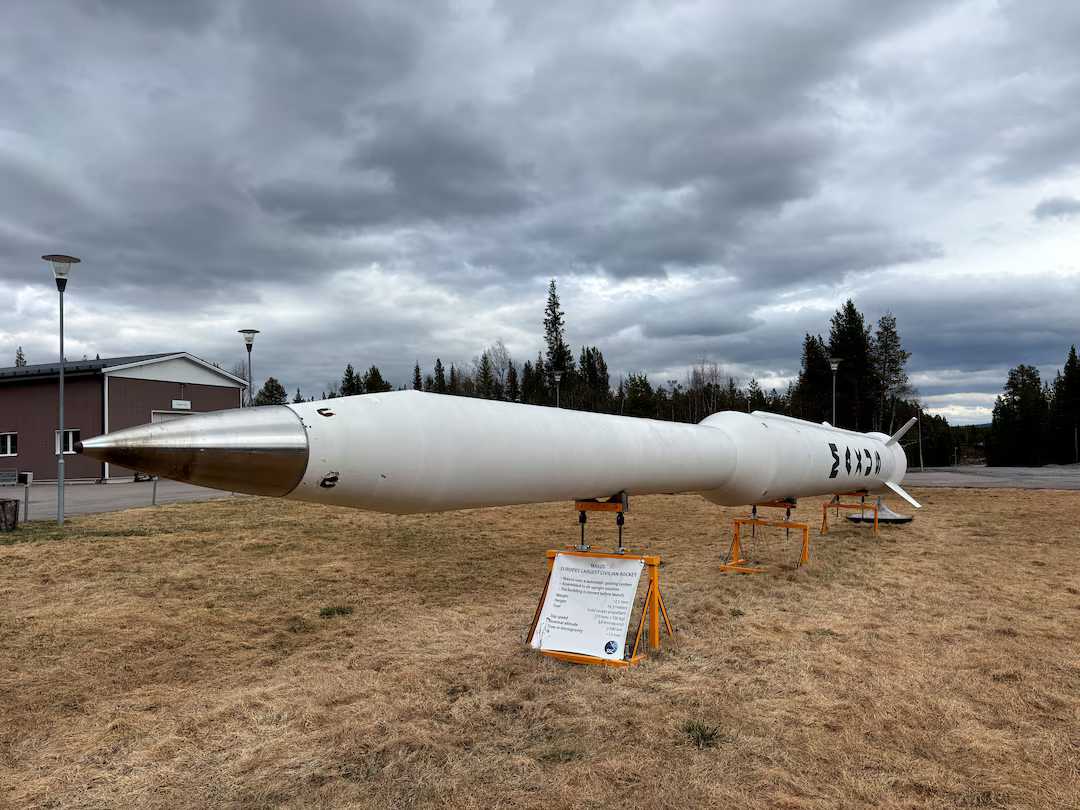
As reported by Reuters on July 10, Europe is pushing forward with building domestic launch facilities in Sweden’s Esrange and Norway’s Andøya to reduce dependence on the U.S. and strengthen its independent space capabilities. The goal is to send satellites into orbit from the European continent for the first time. Previously, Europe’s only launch site was in French Guiana, South America—its remote location and high costs made it hard to meet rising commercial and military needs.
1 minute read
Singapore Launches Asia Pacific Sustainable Aviation Centre to Drive Regional Decarbonization
Singapore’s Civil Aviation Authority (CAAS) announced on July 10 that the Asia Pacific Sustainable Aviation Centre (APSAC) will officially launch on July 14. Partnering with Airbus, Boeing, GenZero (a green investment firm under Singapore’s Temasek), and IATA, APSAC aims to support regional decarbonization through policy research, cross-sector collaboration, and training—making it the world’s first institution focused on policy and capacity-building for sustainable aviation in the Asia-Pacific.
1 minute read

Medical Breakthroughs to Transform Healthcare Over Next 30 Years
Over the next three decades, scientific and technological advancements will revolutionize medicine. Genomics will enable truly personalized drugs, allowing treatments tailored to individual genetic profiles to tackle cancer, cardiopulmonary diseases, Alzheimer's, and other currently intractable illnesses.
1 minute read

Energy Revolution to Reshape Global Landscape Over Next 30 Years
Over the next three decades, global energy demand is projected to rise by 35%, sparking an ongoing energy revolution. New oil extraction technologies like hydraulic fracturing and directional drilling have unlocked vast oil and gas reserves, upending the global oil market and turning the U.S. from the world’s top oil importer to its largest producer.
1 minute read

Quantum Computing: Poised to Transform Technology in Coming Decades
Quantum computing encodes and manipulates data using subatomic properties like superposition and quantum entanglement. Long confined to theory over past decades, recent research has yielded meaningful progress, with a practical quantum computer likely to emerge within 5–15 years.
1 minute read

Mixed Reality: Merging VR and AR to Reshape Tech Landscape
Virtual Reality (VR) and Augmented Reality (AR) technologies have sparked immense enthusiasm in the consumer electronics market, with tech giants rushing to enter the space. After acquiring Oculus VR in 2014, Facebook is set to launch its first VR headset this year, while Samsung, Sony, and HTC also plan to roll out their VR products. The influx of capital signals that VR is poised to become the next mainstream entertainment technology.
1 minute read

Combating Global Climate Change: Challenges and Tech-Driven Responses
Current data projects Earth’s surface temperature will rise by 1.4 to 3 degrees Celsius by 2050. Even with extreme greenhouse gas emission cuts, climatic inertia will drive warming, triggering dire consequences: coastal city risks from rising seas, famine due to crop yield declines, water scarcity for millions from droughts, and billions in flood damages.
1 minute read

Emerging Weapons Technologies to Reshape Battlefields Over Next 30 Years
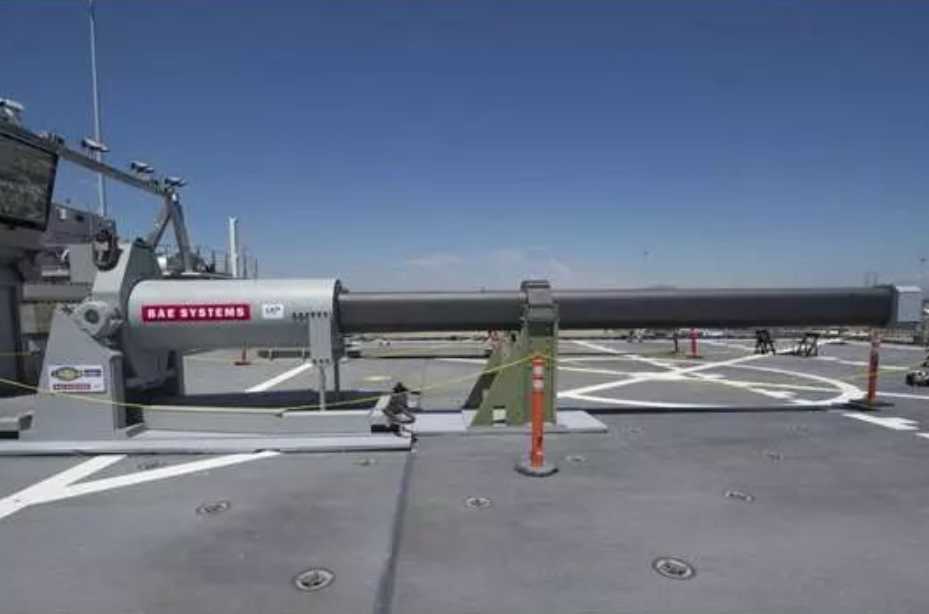
Over the next three decades, several new weapons technologies will emerge on the battlefield. Beyond currently developing non-lethal and energy weapons, multiple nations are pursuing anti-access/area denial (A2AD) systems to block military operations. A2AD technologies include anti-ship ballistic missiles, precision-guided anti-vehicle and anti-personnel weapons, counter-rocket, artillery, and mortar (CRAM) systems, anti-satellite weapons, and electromagnetic pulse (EMP) devices.
1 minute read
Space Technology: A New Era of Exploration and Challenges
The space industry is entering a phase of growth unparalleled since the 1960s. Emerging technologies—including robotics, advanced propulsion systems, lightweight materials, additive manufacturing, and component miniaturization—are driving down the cost of sending humans and cargo into space, unlocking new opportunities for space exploration.
1 minute read