
Soaring Vegetable and Fruit Prices in the US in 2025 Spark Concerns
Soaring Vegetable and Fruit Prices in the US in 2025 Spark Concerns
1 minute read

Trump's Plan to Impose 50% Tariff on Copper Imports Shakes Global Supply Chains
On July 8, 2025, US President Trump announced at a White - House cabinet meeting that he planned to impose a new 50% tariff on all copper imported into the US, which has attracted widespread attention. The news sent New York copper futures prices soaring, triggering shockwaves in the global metal market.
1 minute read

Amazon Hits 1 Million Robots, Launches DeepFleet AI to Revolutionize Logistics with "Second-Level Response"
Recently, Amazon announced that the number of its robots deployed globally has reached 1 million, and launched a generative AI foundation model named DeepFleet, bringing a major transformation to the logistics industry and opening a new era of "second - level response".
2 minute read

Title: Trump Imposes 50% Punitive Tariffs on Brazil, Launches Unfair - Trade Probe
Local - time on Wednesday, US President Donald Trump turned his trade anger towards Brazil, the largest economy in Latin America. He announced a 50% punitive tariff on Brazilian goods exported to the US and ordered an investigation into "unfair trade practices", which may lead to higher tariffs. The new tariff will take effect on August 1, much higher than the 10% tariff imposed on Brazil on April 2 this year.
1 minute read
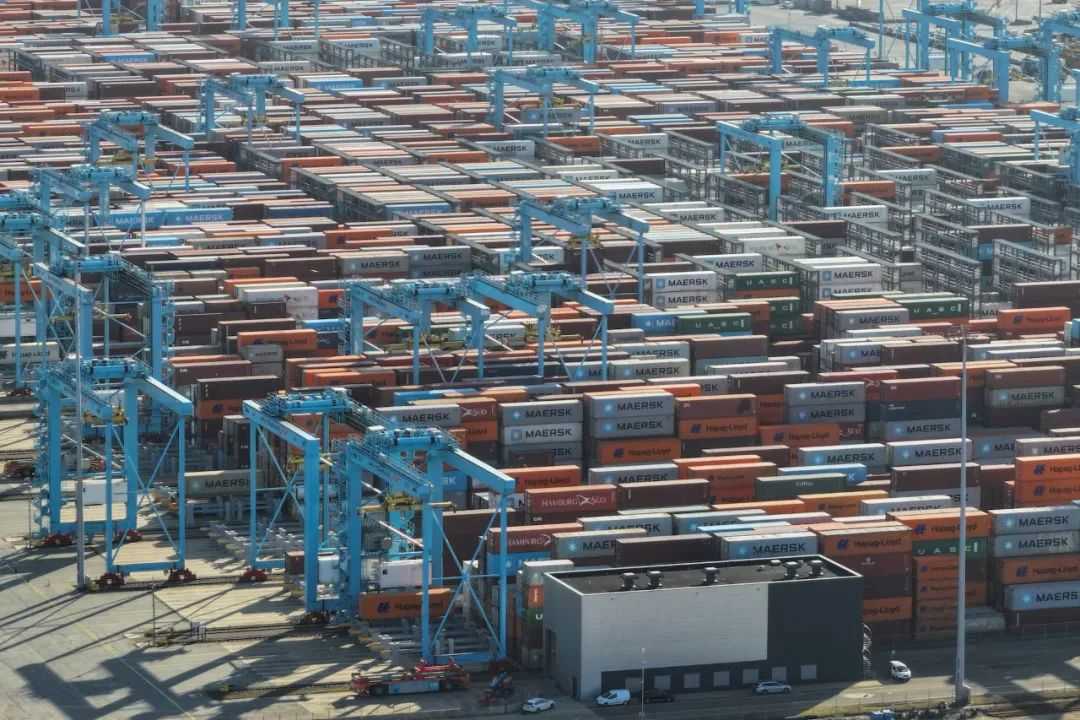
UK Secures £7.5bn Green Energy Investment, Eases Mortgage Rules to Boost Housing Market
Britain announced a £7.5 billion ($10 billion) clean energy investment deal with Japan’s Sumitomo Group on July 9, focusing on offshore wind and hydrogen infrastructure. Investment Minister Poppy Gustafsson said it would "break grid bottlenecks." Sumitomo, a long-term energy investor, has injected over £20 billion in the UK in a decade, marking a key step in the Labour government’s push for private capital in net-zero transitions.
1 minute read
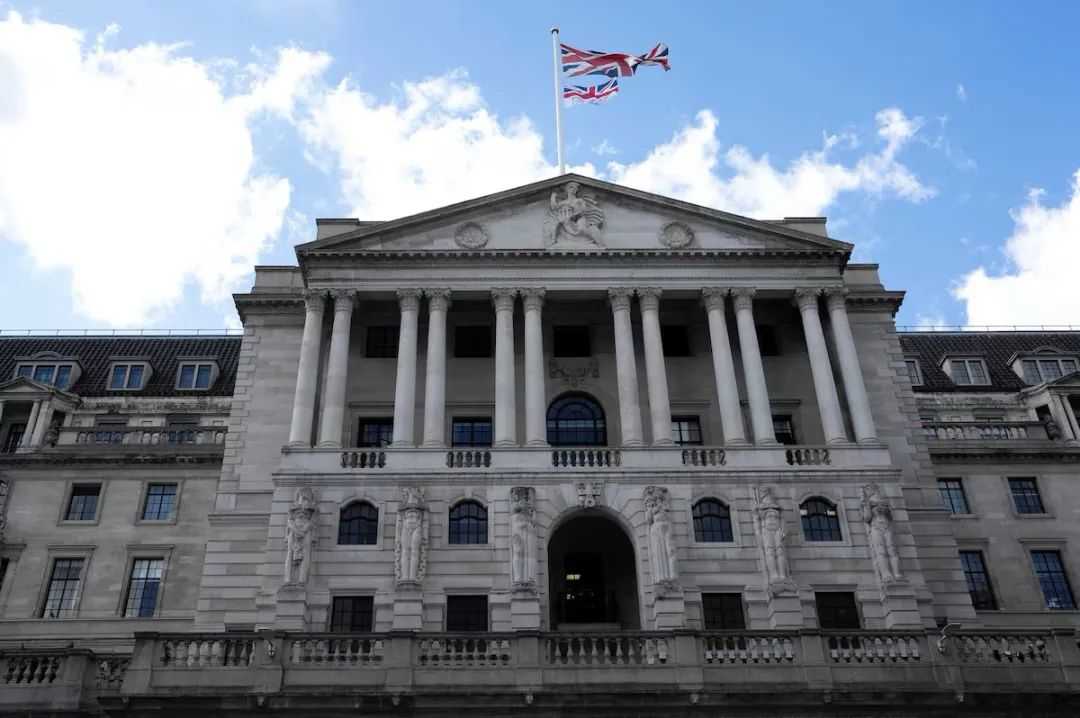
FTSE 100 Edges Up 0.2% on July 9 as Markets Digest U.S. Tariff Expansion
London’s FTSE 100 inched up 0.2% on July 9, with investors continuing to absorb the impact of U.S. tariff expansions. Advertising giant WPP (WPP.L) plunged 19%—its worst daily drop in over three decades—after slashing profit forecasts due to key client losses and shrinking new business, weighing heavily on the index.
1 minute read
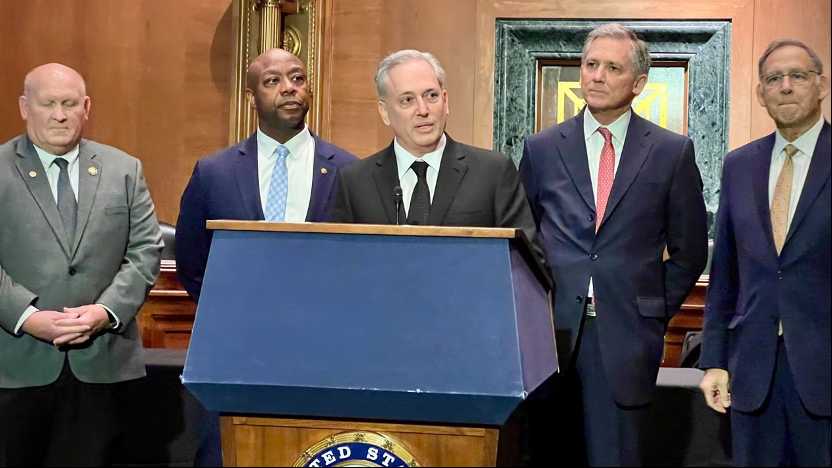
U.S. House Passes First Major Crypto Industry Regulation Bills
The U.S. House of Representatives passed the Genius Act on July 17, sending it to President Trump for signature. This marks the first U.S. regulatory framework for dollar-backed crypto stablecoins. The House also approved two other crypto bills the same day.
1 minute read
BOJ Warns of Food Price-Driven Inflation; U.S. Tariffs Could Severely Hurt Japan's GDP
Bank of Japan board member Junko Kotani warned on July 9 that surging prices of rice and other foodstuffs are intensifying inflationary pressures, urging vigilance against "second-round effects" that might lift household inflation expectations. Japan’s consumer inflation remains around 3%, but the BOJ’s weighted median inflation gauge—closely watched by policymakers—still lags below the 2% target. Kotani noted economic uncertainty makes it premature to pinpoint the next rate hike, with food prices a critical variable.
1 minute read

New Zealand Central Bank Pauses Rate Cuts as Recession Risks Loom
On July 9, the Reserve Bank of New Zealand (RBNZ) kept the Official Cash Rate (OCR) steady at 3.25%, in line with market expectations. This pause brings an end to six consecutive rate cuts since August 2023, during which the rate was slashed by a cumulative 225 basis points.
1 minute read

New Zealand's S&P/NZX 50 Falls 0.7% as RBNZ Pauses Rate Cuts
New Zealand’s benchmark S&P/NZX 50 index dropped 0.7% to 12,769 on Wednesday, pulling back from a seven-week high hit the previous day, after the Reserve Bank paused its rate-cutting cycle. The central bank kept the cash rate at 3.25% as expected, citing concerns that current inflation and global trade tensions could fuel price pressures. It had cut rates six times since August 2023, totaling 225 basis points, but signaled further cuts may come if inflation eases as projected in May.
1 minute read

RBA Pauses Rate Cuts; Mortgage Stress Shows Regional Divergence
Australia’s central bank held its cash rate at 3.85% on July 9, with the Monetary Policy Committee voting 6-3 to wait. While May inflation dipped to 2.1% (core 2.4%, a 3.5-year low), June’s CPI was "slightly stronger than expected," and rising global trade policy uncertainties—like U.S. tariff hikes—prompted the RBA to seek more data confirming inflation’s steady move toward the 2.5% target.
1 minute read
Trump Tariffs Jolt Australian Stocks; Gold Mining Sector Leads Declines
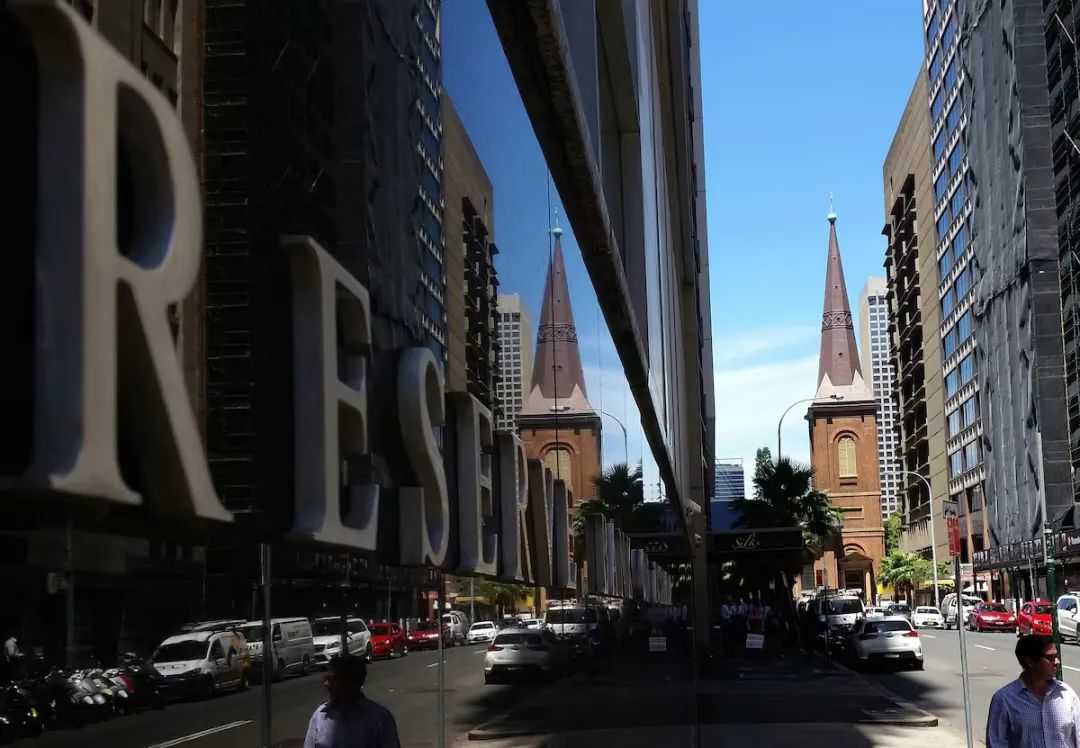
Australia’s stock market fell across the board on July 9, with the S&P/ASX 200 dropping 0.61% to 8,538.6 points. Markets reeled after Trump announced plans to impose 50% tariffs on imported copper (effective as early as late July) and 200% on pharmaceuticals, triggering a 13.1% daily surge in copper prices—their biggest jump since 1989.
1 minute read

Canada Accelerates Trade Diversification to Counter U.S. Tariff Shocks
Canada is pushing faster trade diversification to fend off U.S. tariff impacts: its U.S. export share dropped 10 percentage points to 68% between May 2024 and May 2025, with auto parts and steel hit hardest. Over the period, U.S.-bound exports fell C$7.7 billion (-15%), while gains to the UK, EU, and Asia-Pacific (C$5.7 billion, +42%) failed to offset the gap.
1 minute read
Ireland Revises Q1 GDP Down, Germany’s Exports Slide on U.S. Tariff Shifts
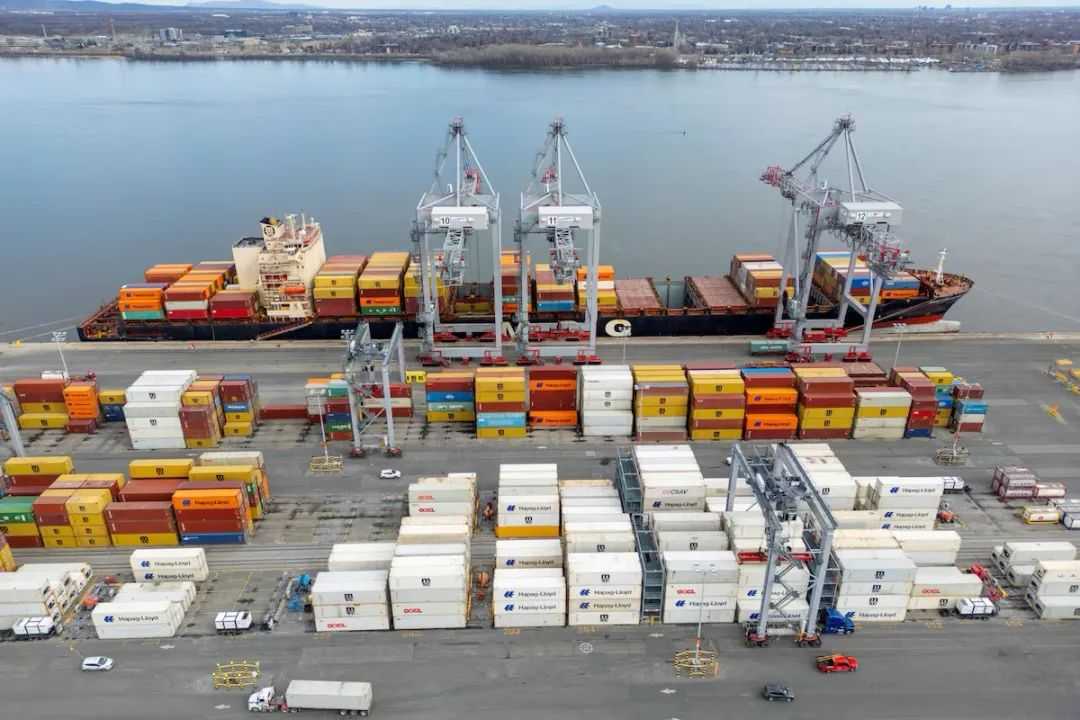
Ireland’s CSO sharply revised Q1 GDP growth on July 8: annual expansion was cut to 7.4% from 9.7%, as surging U.S. pharmaceutical exports faded. The more indicative Modified Domestic Demand (MDD) was revised up to 2.0% from 0.8%, though 2024 full-year MDD growth was trimmed to 1.8% from 2.7%. GNI*, stripping multinationals’ distortions, showed 4.8% 2024 growth, highlighting GDP’s skew from cross-border capital flows.
1 minute read
Japan's Corporate Bankruptcies Hit 11-Year Half-Year High, Pressures Mount
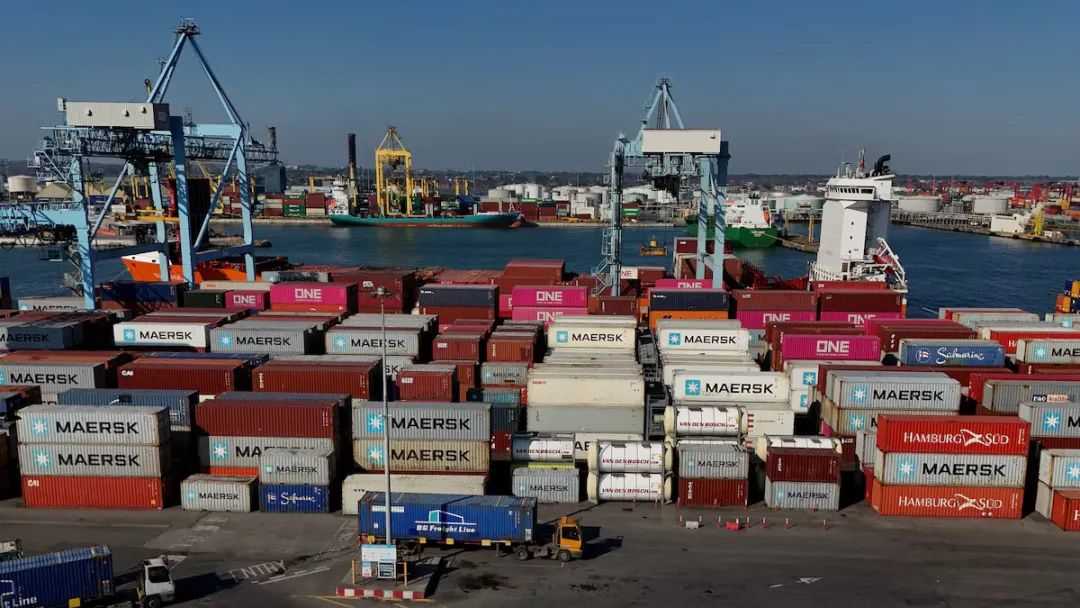
Japan saw 4,990 corporate bankruptcies in H1 2025, up 1.19% year-on-year and the highest H1 tally since 2014. Small businesses bore the brunt: 172 firms collapsed directly due to labor shortages—a record—with 89.8% of failed companies employing fewer than 10 people. They faced a vicious cycle: forced to raise wages but unable to absorb costs, widening the "pay gap" with large corporations.
1 minute read